
Overview
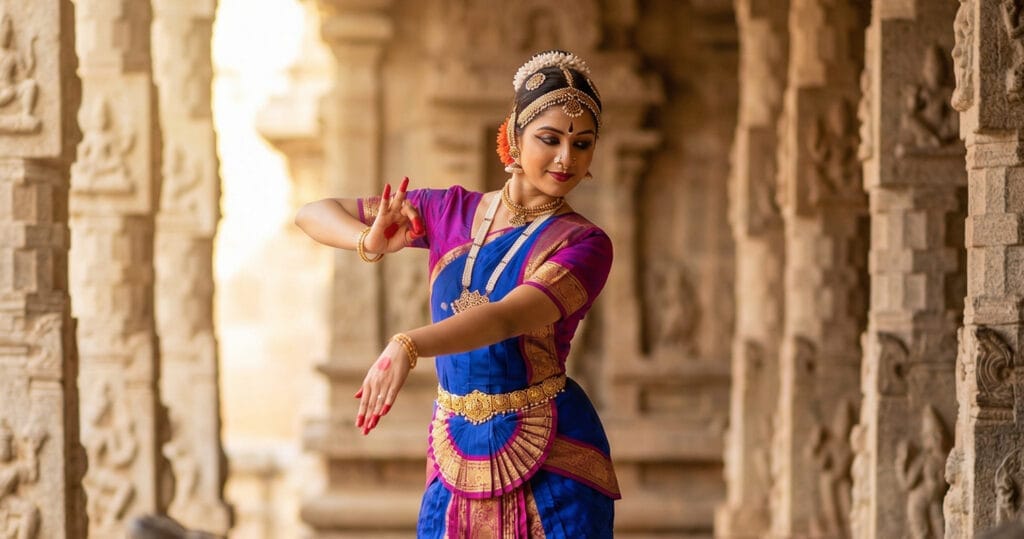
Your body needs and desires to move; your mind needs to feel free and release; dancing can provide both at the same time. The Health Benefits of Dancing go beyond the general positive feelings of dancing and into mental acuity, emotional regulation, and social engagement.
The American Heart Association has conducted research that corroborates what many cultures have known for ages: movement and dance, in particular, have healing properties. Dance can provide and sustain transformative wellness benefits in many forms and to varying degrees, all at varying costs.
Physical Health Benefits of Dance
Cardiovascular Health and Strength
Dancing for your physical health is as good for you as a comparable to the best workout at the gym, but it will feel like you are having the time of your life. When you sustain movement, your heart rate is elevated, and as a result of that, you are strengthening your heart and improving the oxygen flow and circulation of your body. Dance is much better for you than a super boring treadmill workout, and you can actually enjoy yourself while it is happening.
Enhances Flexibility and Balance
Dynamic stretching helps improve range of motion, and in addition to that, dance also helps improve your body’s overall flexibility. Weight shifts and changes of position improve balance, as does the overall movement of your body as you dance. Movement-based balance training is important for all ages, but especially for older people, because it helps prevent falls.
Assistance with Weight Management
People can control their weight with dancing, seeing how different dance forms can burn roughly 200-400 calories per hour. Sustained Consistency is tied to how much someone enjoys the dancing, which is usually pretty high with popular forms.
Mental Health Advantages of Dance
Lowers Stress and Anxiety
The mechanical movements of the dance relieve stress, and the physical tension is released as the central nervous system becomes calmed with rhythmic patterns. Dancing as a mental exercise is a focus on the present and creates the mindfulness needed to quiet the anxious mind. The National Institute of Mental Health also recognises exercise as an effective anxiety intervention.
Cognitive Improvement and Mood Enhancements
Research has shown and proved that dancers demonstrate a higher degree of cognitive sharpness in comparison to other participants involved in other types of less complex and repetitive physical exercises.
The release of endorphins, which are natural mood enhancers, is triggered by mental, rhythmic, and dance movements. Dance has also been shown to mildly and moderately depressed people, to improve their mental state through the synergistic effects of multiple forms self self-expression, music, and physical activity.
Advantages of Dance for Children
In terms of Social Development, the performing arts teach respect, teamwork, and discipline while adding to children’s self-confidence. The Best Music School in Bangalore offers programs to help nurture young performers with developmentally appropriate dance styles.
In terms of Academics, overall academic performance is often positively enhanced with a regular practice of dance. The self-discipline and concentration needed to practice dance often result in improvements in classroom performance.
Why Dance for Physical and Mental Health Benefits:
The Health Advantages of Dance are:
- For Cardiovascular Health, it offers
- For Strength – it supports
- For Flexibility, it offers
- For Balance – it offers
- Cognitive – it promotes.
- For Mental Health, it offers
- Socially, it offers community integration.
The Best Music Institute acknowledges and celebrates the fact that dance offers well-being benefits that are unparalleled in fitness programs.
Conclusion
In the first place, The Health Benefits of Dancing are more than just the fitness aspects. It encompasses cardiovascular benefits, cognitive improvement, stress reduction, and social relationships. Dance is a powerful means of achieving wellness and is an activity that is easy to do.
The benefits of Dance for Kids are numerous. It is an activity that starts kids off with healthy habits that are likely to continue for the rest of their lives. Dance is for everyone, no matter the age. It is a transformative activity that requires no special equipment, no prior experience, and just a willingness to move. So, with only the intent of inspired movement and a willingness to use music, and with the goal of getting the health benefits of dance, get started today.
Frequently Asked Questions
Can children and seniors benefit from dance?
Absolutely! For kids, dance can help develop physical and social skills, while seniors gain balance improvement, cognitive stimulation, and social connection. There are age-appropriate modifications that make dance accessible across all ages.
Can I dance at home, or do I need classes?
You can do either. If you are at home, you can follow online tutorials. If you are in a studio, you can get guidance from a teacher. The Best Music School in Bangalore is very flexible to suit the needs of various people.
Is dance better than other forms of exercise?
It’s not necessarily better than other forms of exercise, but it is more comprehensive. There are many Good Health and Health Benefits of Dancing, including cardiovascular, strength, flexibility, and cognitive benefits. Dancing is a more enjoyable form of exercise which can help people keep at it for longer.
Can dancing help with social skills?
Absolutely, in partner and group dancing, you have to communicate and cooperate with other people. Dancing also naturally creates a community, which can help shy people gain confidence in social interaction.
Is dance safe for people with injuries or limited mobility?
Generally, yes, but with modifications. Therareis chair dancing and low-impact styles, which can also accommodate these limits. Safety is ensured with professional instruction from the Best Music Institute, and you should also consult your healthcare provider.
Which style of dance is the best for mental health?
All forms provide various benefits, as personal preference reigns supreme. However, expressive forms like contemporary dance offer additional therapeutic advantages. Be sure to try multiple forms to find the best fit.
Can dancing improve the quality of sleep?
Regular dancing can improve the quality of sleep. Yes, because dancing regularly helps physical health, sleep patterns improve naturally as well. Also, dancing helps through physical exertion and stress relief. Just don’t have intense dance sessions close to bedtime.
Can I dance if I’ve never been coordinated?
Of course. Coordination improves with practice and the will to try. Many think the same thing, but everyone has to start somewhere. The dance style will provide the coordination you think you lack. Supportive environments help with this, as well as no harsh judgment.